Owner occupiers
Renting or Buying Your Dental Practice, Clinic or Pharmacy Premises?
Should your practice rent or buy its premises? Compare capital, occupation costs, fit-out, location and flexibility, with a worked example and pension considerations.
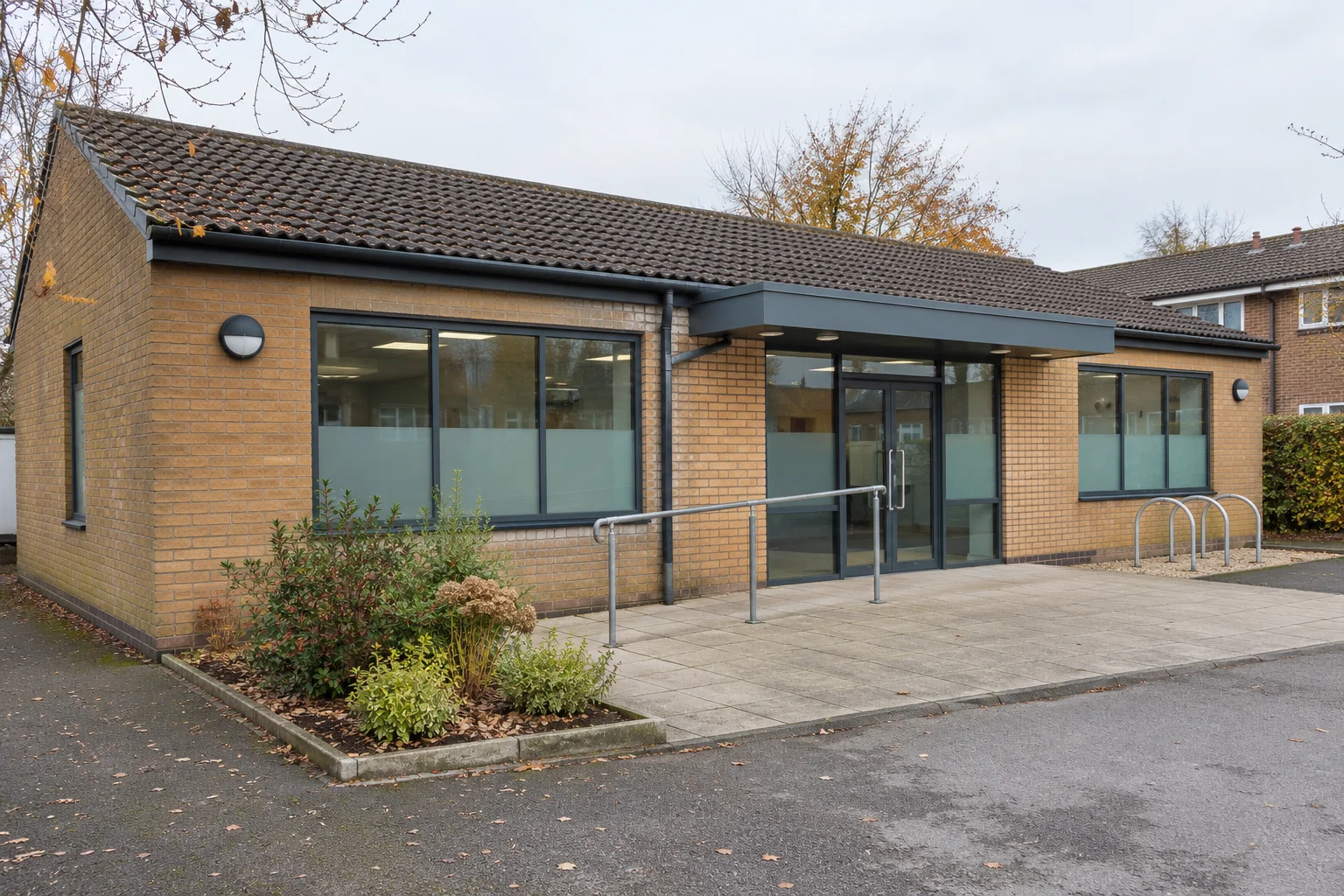
The treatment chair may be staying for twenty years. Your lease deserves at least as much thought as its upholstery.
Renting or buying premises for a dental practice, clinic or pharmacy is a business decision before it is a property decision. Buying can provide greater control and a long-term asset. Renting can preserve capital and offer access to a suitable location without purchasing it. Neither route wins automatically: compare the building, occupation terms, funding, fit-out and your plans for the business.
This guide focuses on premises in England, particularly across the East Midlands and Peterborough. It does not assume that every healthcare business has the same registration requirements or operating model. The worked figures are hypothetical, and professional advice is needed for the actual property, business and ownership structure.
Begin with the practice you want to run
Before comparing mortgage payments with rent, define the service. How many consulting or treatment rooms are required now? What needs to happen behind the scenes? Consider reception, storage, staff facilities, confidential conversations, deliveries and the movement of patients through the building. Record essential requirements separately from preferences.
A dentist may need a specialist team to assess equipment, services and the layout of clinical and support spaces. A doctor or clinic operator may prioritise privacy, accessibility and room configuration. A pharmacist may need suitable dispensing, storage and consultation arrangements. These examples are prompts for a profession-specific brief, not a substitute for technical design.
Think about the next phase too. Additional practitioners, new services or longer opening hours may change space, staffing and access requirements. Buying a building that is already too small can create a costly second move. Equally, paying for large amounts of surplus space can reduce the capital available to establish the practice.
Score potential premises against those operational requirements before comparing tenure. A suitable rented building can be a better decision than an unsuitable freehold, however appealing the idea of owning the walls. A freehold does not make a narrow corridor wider.
When renting can be the sensible choice
Renting may suit a new practice testing demand, an established operator entering a different town or a business that needs capital for equipment and staff. It can also provide access to a strong location where the owner will not sell. Availability matters: the ideal purchase may simply not exist when you need to open.
However, renting does not necessarily mean a small upfront commitment. Budget for deposits, legal work, surveys, fit-out, equipment, permissions and initial operating reserves. A substantial specialist fit-out can tie you to a location financially even when you do not own the property.
Look for a lease structure that supports the intended period of occupation. Discuss alterations, signage, assignment, underletting, rent reviews and potential breaks with your solicitor. A break date has little practical value if it cannot be exercised as expected or if leaving triggers costs your business cannot absorb.
Do not assume the landlord maintains everything. The government's guidance on business tenant responsibilities explains that the lease allocates repair obligations and may require repairs or reinstatement when you leave. Understand that exposure before spending heavily on someone else's building.
When buying can support the business
Buying may appeal when your location and space requirements are established, the business can support the funding and you expect a long period of occupation. Ownership can provide more control over the building and the timing of improvements, subject to planning, title restrictions, finance conditions and other approvals.
A suitable freehold may also become an asset separate from the trading business. That can create options when the practice is sold or the owner retires. Those options need legal and tax planning; do not assume that a future buyer will want the business and the building together on your preferred terms.
Ownership brings responsibilities as well as control. Large repairs, insurance arrangements, financing and eventual disposal need management. Cash committed to a deposit and purchase costs is unavailable for other business priorities. Assess whether owning the premises would leave enough liquidity to operate comfortably during a slower period.
Also distinguish a freehold purchase from buying a leasehold interest. A leasehold purchase can still involve ground rent or other charges, restrictions, a finite remaining term and a superior landlord. The purchase label does not remove the need for detailed lease and title review.
Compare the full cash commitment
Use the same usable floor area, operational standard and opening date when comparing options. Otherwise, an inexpensive building requiring extensive work can appear to beat a more expensive property that is genuinely ready for occupation. Price the premises at the point when your team can use them.
For renting, list the deposit, professional fees, fit-out, equipment, any lease premium and working capital. Separate refundable deposits from expenditure. For buying, list the equity contribution, transaction costs, finance costs, professional fees, fit-out, equipment and working capital. Identify any VAT funding requirement and seek advice on its actual treatment and recoverability.
Include costs common to both routes instead of pretending they disappear. Depending on the circumstances, there may be business rates, utilities, waste contracts, insurance, servicing and maintenance. The allocation varies, so check each option rather than applying a generic owner or tenant allowance.
The government's business premises guide provides a useful starting checklist. Our new building versus refurbishment article also explains the importance of comparing total readiness costs. Although its examples concern industrial units, the budgeting discipline applies to a practice conversion.
A worked comparison without the sales pitch
Imagine a practice considering premises at £30,000 annual rent or an equivalent building available for £400,000. For the purchase, assume a £280,000 mortgage and £120,000 deposit. Allow a further £25,000 for acquisition and finance costs. That creates £145,000 initial purchase cash before fit-out, equipment and reserves.
At an illustrative 7% interest rate, interest on £280,000 is £19,600 a year. Assume a repayment structure also requires £8,400 of principal repayments in the first year, giving £28,000 debt service for this example. These are modelling inputs, not a mortgage quotation or an amortisation schedule. Actual payments depend on agreed terms.
Suppose the buyer also faces £5,000 annual property costs beyond those common to both options. The illustrated purchase cash outflow becomes £33,000 a year. Compared with £30,000 rent, ownership therefore requires £3,000 more annual cash under these particular assumptions, alongside the initial capital commitment.
However, £8,400 of the £33,000 reduces the loan balance. Principal repayment is a cash outflow but is different from interest expense. Before tax, and excluding acquisition costs and the cost of committed capital, the illustrated interest and additional property costs total £24,600. Keep these different measures visible instead of describing every mortgage pound as a cost equivalent to rent.
The rented option will have its own deposit and setup costs, which must be added before reaching a decision. We have assumed common occupancy costs and equivalent fit-out cancel out solely to isolate the tenure comparison. Real options rarely match so neatly. Add actual rent reviews, repairs, finance fees and opening dates, then compare several years.
Test the money against a difficult year
At a simplified unchanged £280,000 loan balance, a two-percentage-point increase in interest would add £5,600 annually. That is a sensitivity illustration, not a forecast or the result for a reducing loan balance. Ask a finance adviser to model the available repayment terms and the position when any fixed rate ends.
For the rented option, test a higher future rent, an unrecovered repair bill and a delayed opening. For both options, assess lower patient or customer income, staff recruitment delays and an unexpected fit-out bill. A property plan that consumes every available pound leaves the operating business exposed.
Consider the alternative use of capital too. Could retaining money support another practitioner, essential equipment or a more gradual launch? That does not prove renting is better, because ownership may have value over time. It ensures the decision considers the practice's needs alongside the appeal of property ownership.
Ask your accountant to compare tax consequences separately for the proposed structures. This article does not assume that all expenditure is deductible or that buying produces a universal tax advantage. Compare the same period, disclose assumptions and model an exit as well as ongoing occupation.
Make the location work for patients and staff
The best-looking premises may be inconvenient for the people using them. Examine public transport, drop-off arrangements, parking, step-free access and the journey from street to reception. Visit at relevant times rather than relying on an empty car park during a quiet viewing.
Staff recruitment and retention matter too. Moving a successful practice can change commutes and everyday routines. Ask how deliveries, waste collection and servicing will work without disrupting appointments or neighbouring businesses. Check legal rights as well as physical space: parking shown in photographs may not belong to the property.
Assess what happens if the practice later leaves. Could another professional service or commercial occupier use the building without extensive conversion? Highly specialised layouts may narrow the future market. An exit need not dominate the search, but it should be credible enough to include in the assessment.
Confirm permissions and professional requirements early
Planning permission, building requirements, landlord consent and healthcare regulation are separate considerations. A previous occupier's activities do not establish that your proposed service and alterations are authorised. Ask the relevant authorities and your professional team what must be confirmed for the exact premises and operating model.
For services regulated by CQC, its Regulation 15 guidance on premises and equipment addresses suitable premises and equipment. Discuss the registration and premises implications of your proposal with the appropriate specialists before committing to a programme or opening date.
Pharmacies have their own requirements. The General Pharmaceutical Council's standards include appropriate premises, privacy and safe facilities. Do not assume that acquiring a former pharmacy automatically provides every permission, registration or NHS contractual arrangement needed for your proposed operation.
Obtain a realistic programme covering design, permissions, works, equipment commissioning and any necessary approvals. Allow for dependencies and ask your solicitor how the transaction can address unresolved conditions. Completing on a building and being ready to treat patients are different milestones.
Protect the time you expect to stay
For rented premises, ask whether the tenancy has statutory renewal protection or has been contracted out, and what that means for your plans. Government guidance on renewing commercial leases explains that renewal rights have exceptions. Your solicitor should assess the actual lease; neither renewal nor departure should be assumed.
Record the earliest potential exit, the end of the term and notice dates. Consider how those dates relate to recovering your fit-out investment and building the patient base. A shorter commitment may suit an experimental location while being uncomfortable for a costly specialist conversion.
For a purchase, review title restrictions, access rights and any leasehold conditions with the same care. Think about how ownership and occupation arrangements would operate if a partner left, the practice changed hands or the property owner retired. Agreeing the structure before purchase is usually easier than unpicking conflicting expectations later.
Where a SIPP or SSAS may fit
Some providers permit qualifying commercial premises to be owned within a SIPP or SSAS. Where approved, the scheme owns the property and the business occupies under a documented commercial lease, paying independently assessed market rent. HMRC's pension investment guidance explains that commercial rent must be paid for scheme property used by a member or sponsoring employer.
This is not free occupation, nor permission to use pension funds as ordinary business cash. Suitability, scheme rules, provider acceptance, liquidity and transaction costs require assessment by your independent regulated adviser and administrator. MoneyHelper's SSAS guide describes the potential for scheme ownership of business property and the associated investment risk.
For this search, we focus on commercial premises rather than combining residential flats with pension acquisitions. Our existing SIPP and SSAS property guide covers the purchase process in more detail. PropSelect does not recommend pension transfers or decide whether a pension structure suits you.
Three practical questions
Can I buy the premises I already rent?
Possibly, if the owner is willing to sell and the terms work. Review the lease, funding, valuation and condition independently. Familiarity with the building helps operational assessment, but it should not replace due diligence or encourage you to pay more than the evidence supports.
Is rent simply money wasted?
No. Rent buys occupation under agreed terms and can preserve capital for the business. Ownership may build equity but introduces capital commitment, transaction costs and property risk. Compare the whole arrangement rather than treating one payment as automatically sensible and the other as automatically wasteful.
Should I choose the funding route before the building?
Establish realistic funding capacity early, while keeping the operational brief central. If pension ownership is being considered, confirm provider criteria before significant expenditure. You can start a premises conversation without having made a final funding decision; unresolved matters should remain explicit.
Start with a premises brief
Tell Ashley your profession, intended services, preferred towns, floor area, room requirements, access needs, budget and target opening date. Explain whether you are relocating, expanding or establishing a practice. We can then discuss the search scope and what needs confirming before properties are shortlisted.
PropSelect's purchase searches cover commercial property below £2 million across the East Midlands, Peterborough and the Golden Triangle. An engagement fee and percentage purchase fee are agreed in writing before instruction. Qualified professionals provide legal, financial, tax, regulatory and survey advice. For lease-only requirements, we confirm the available scope before instruction.
Send your business premises requirements to PropSelect. The aim is a building your business can use and afford, with an occupation plan that still makes sense after the opening day.
General information checked on 16 November 2026. Figures are hypothetical, not lending terms or personal advice. Future property values, costs and business income are uncertain.